Let Them, Then Decide: Strategic Career Navigation for Women in Security
Women in the security profession are often encouraged to demonstrate resilience, adaptability and persistence as pathways to career advancement, yet many operate in organizational environments where leadership support is inconsistent, psychological safety is limited and speaking up carries professional risk. This session reframes the popular concept of “Let Them” as a strategic, evidence-informed framework for career navigation rather than disengagement or indifference.
Grounded in research on psychological safety, leadership behavior, social exchange and workplace dynamics, the presentation explores how women can interpret workplace behavior as data, assess organizational conditions and make intentional decisions about influence, negotiation and career progression. Participants will examine how gendered leadership norms, bias and organizational culture shape opportunities for advancement and engagement in security roles.
Designed as an interactive large-group discussion, the session encourages reflection, shared learning and practical insight and aims to equip women in security with practical tools to protect well-being, lead by influence and advance their careers without internalizing systemic barriers as personal shortcomings.
At the end of the session, participants will be able to:
- Assess psychological safety and leadership behavior in their organizations to inform strategic decisions about voice, influence and career advancement
- Apply a structured “Let Them → Assess → Decide” framework to navigate bias, conflict, negotiation and career transitions in security environments
- Identify practical strategies to lead by influence, manage up and protect well-being without internalizing systemic barriers as personal shortcomings
Speaker
-
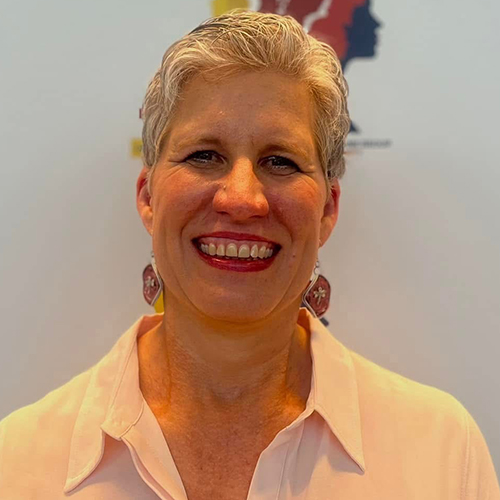 Samantha Steenkamp-FarrellSenior Security Specialist
World BankSamantha Steenkamp-Farrell is a senior security professional with over 25 years of global experience supporting international organizations. She currently serves as a senior security specialist with the World Bank Group, supporting operations in complex and high-risk environments across Latin America and the Caribbean.
Steenkamp-Farrell is completing doctoral research on leadership behavior, psychological safety and workplace bullying and harassment, and her work examines how organizational environments influence engagement, silence and career outcomes. She is an active member of ASIS International and a committed advocate for advancing women in the security profession through evidence-based leadership and cultural change.