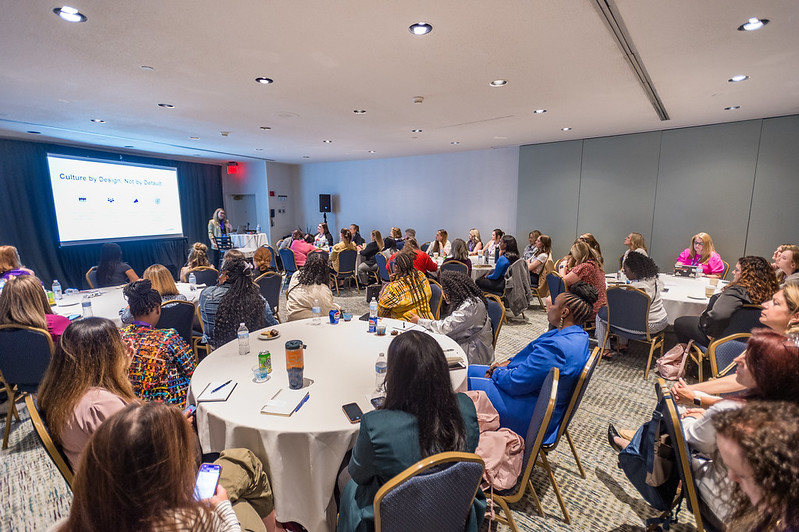
Is Psychological Safety the Female Leadership Advantage in High-Performance Security Teams?
Security leadership has a history of being command-driven with an emphasis on hierarchy, authority, and emotional restraint. But in this era of evolving threats, rapid technological change, and complex risk environments, a critical question emerges: Do traditional leadership styles still produce the highest-performing security teams, or does psychological safety offer a performance advantage?
Structured as a debate, this session examines two contrasting perspectives. One argues that strict command-and-control cultures ensure discipline and operational effectiveness. The other contends that teams perform better when members feel safe to raise concerns, report near misses, challenge assumptions, feel free to iterate, and learn quickly from experience. The discussion positions psychological safety not as a comfort concept, but as a risk management, learning, and adaptability strategy.
The session also explores how many women leaders leverage strengths in communication, relationship awareness, and inclusive leadership to build high-trust environments, and how emerging leaders can gain influence by modeling these behaviors, even without formal authority.
Participants will leave with practical tools to strengthen information flow, support structured learning, and build resilient, high-performing teams.
In fast-changing risk environments, the teams that raise issues early, learn quickly, and adapt together are the teams that win.
- At the end of the session, participants will be able to apply practical techniques to increase psychological safety, encouraging team members to raise risks, concerns, and operational lessons early.
- At the end of the session, participants will be able to identify how psychological safety improves team performance and risk management in security environments”
Speaker
-
 Barbara OkumuPeople and Culture Executive
Barbara Okumu is a people and culture executive and clinical psychology professional with over 15 years of experience strengthening leadership, performance systems and employee wellbeing. She has spent the last six years working in the Kenyan security sector, supporting teams in environments where trust, communication and reliability directly affect operational outcomes.
Okumu’s background in psychology informs her work on psychological safety, leadership effectiveness and team dynamics under pressure. She is especially committed to advancing women in leadership within male-dominated industries and helping leaders build practical, high-trust cultures that improve performance, retention and long-term organizational resilience.